Tokyo
50 cups in Tokyo
May 19, 2026
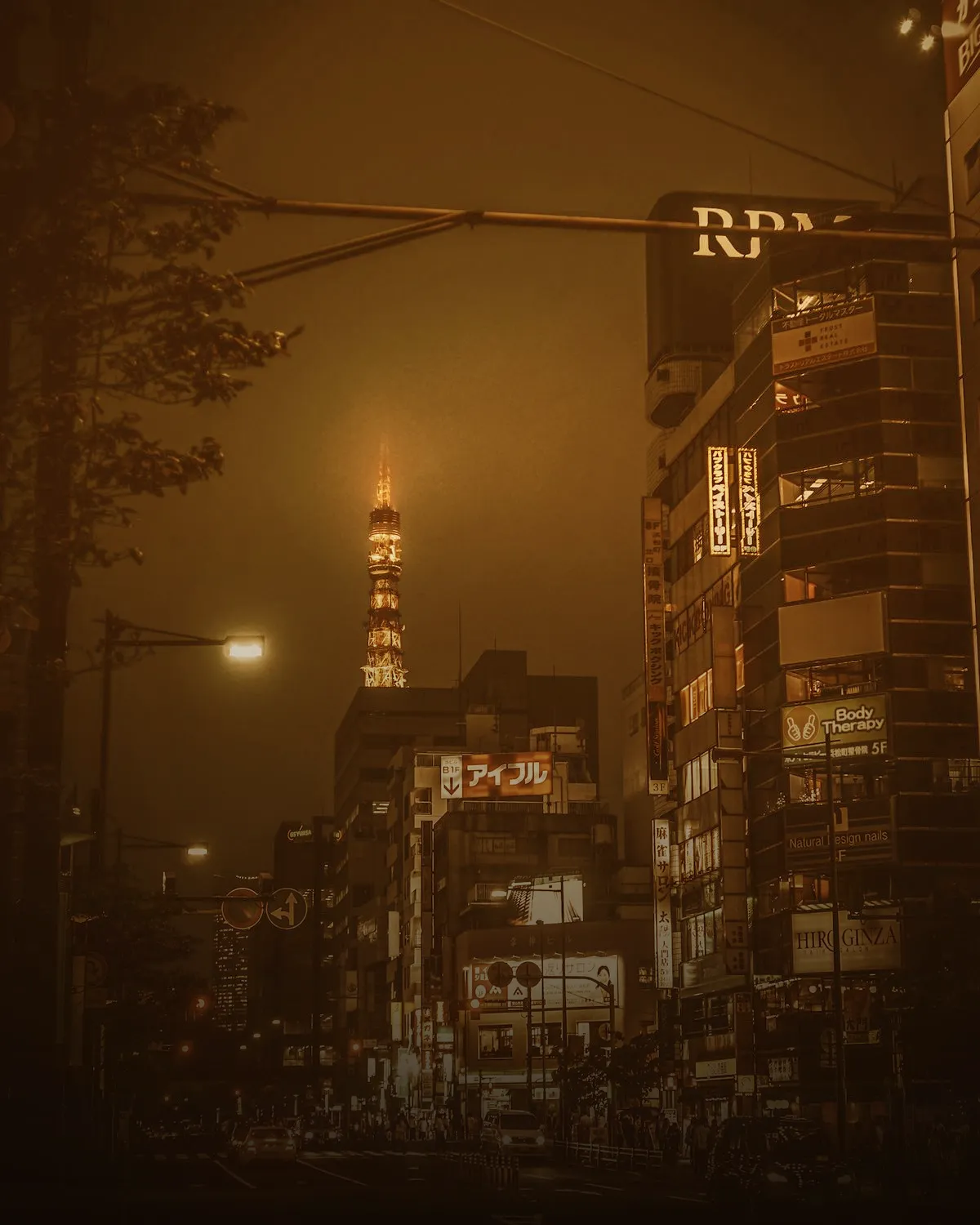
It is 7:40 on a Tuesday morning in Nakameguro, and the espresso you ordered at Onibus has arrived before you finished deciding where to sit. The barista sets it on the wooden counter without ceremony, a small white cup on a small white saucer. You pick it up and stand at the window. The canal below is empty. A heron stands on the concrete bank. The espresso is dense and fruit-forward, the kind that makes you pause and reconsider what you thought espresso was. You finish it in two sips, and you want another.
That is Tokyo coffee in one small moment. There is no theater, no preamble. The craft is the point.
You will drink fifty cups in this city over several days, or you will lose count and stop caring how many. Either outcome is fine. Tokyo does not reward scorekeeping. It rewards attention.
How Tokyo built one of the world's best coffee scenes
Japan's relationship with coffee is older than most people expect. Kissaten, the traditional coffee shop, appeared in the early twentieth century. These were slow places. You ordered a hand-drip, sat for an hour, and no one asked you to move along. Many kissaten are still open, still serving the same strong, slightly dark-roasted blends, often with a triangle sandwich on the side.
The third wave arrived in the mid-2000s, led by a handful of roasters who had spent time in Australia and Scandinavia. They came back with lighter roasts and a focus on origin. They opened small shops, often fewer than a dozen seats. They sourced directly. They trained obsessively.
What makes Tokyo's scene distinct is the seriousness applied to service. A barista here will often spend years at one shop before moving on. The equipment is dialed in with the kind of attention you associate with manufacturing. Grind size does not drift during service. Recipes are written down. Water chemistry is calibrated. The result is consistency that visitors sometimes mistake for coldness. It is not coldness. It is respect for the drink.
The neighborhoods matter too. Nakameguro has the canal and the boutiques and is the most photographed. Shibuya is commercial but has surprises. Jimbocho is the used-bookshop district, quiet in a way that suits sitting. Shimokitazawa is rougher, younger, more willing to take risks. Each area has its own rhythm, and the coffee tends to match.
The walk: a half-day itinerary
Start in Nakameguro, early. The Toyoko line from Shibuya takes seven minutes. Walk north along the canal toward Onibus Coffee.
Onibus Coffee, Nakameguro opens at 9. The space is a converted garage, narrow and warm. The bar is small enough that you can watch every step without leaning. They roast their own beans on a Probat in the back room, and the selection changes with the harvest calendar. Ask what is on the espresso bar today. The answer will tell you more about the shop's current sourcing focus than any menu description could.
Order the single-origin espresso if one is available. Drink it at the counter. Then, if you have time, order a batch-brew. The two drinks will show you the same beans at different volumes and temperatures, and the contrast is often educational.
Walk fifteen minutes to the Tokyu line, ride to Shibuya, change to the Hanzomon or Ginza line toward Jimbocho. The ride is twenty minutes. Jimbocho is where Tokyo's used-book trade has been since the 1880s. The streets smell like old paper on dry days.
Glitch Coffee, Jimbocho sits on a side street between two booksellers. The interior is long and thin with a bar that runs the full length of the left wall. Glitch is perhaps the most methodical shop in the city. They weigh everything, time everything, and adjust in real time. If you are learning to think about extraction, this is the right place to sit and watch. The pour-overs here take about four minutes. The result is clear, specific, and completely traceable to the origin characteristics of the bean.
Order whatever single-origin they are pushing that week. Tell them you are new to their shop and you will likely get a brief, factual explanation of why they chose it. Not a sales pitch. Just information.
Take the Marunouchi line from Jimbocho back toward Shinjuku, one stop to Yotsuya, then walk south through Yoyogi Park toward Shibuya. The park crossing takes about twenty-five minutes on foot. Do it. The shade is necessary.
Fuglen Tokyo, Shibuya occupies the ground floor of a quiet residential street between Harajuku and Yoyogi stations. The original Fuglen opened in Oslo in 1963 as a general goods shop before becoming a coffee bar. The Tokyo outpost arrived in 2012 and has been a reference point ever since. The space is small and filled with mid-century Scandinavian furniture, each piece selected deliberately. The coffee program follows the Oslo shop's sourcing philosophy, which leans toward washed Ethiopian and Kenyan lots.
Fuglen is also a cocktail bar at night, which gives the room a different energy at different hours. In the afternoon it is calm. Order a filter coffee and sit outside if the season allows. The street is residential and quiet. A cat usually appears from somewhere.
From Harajuku station, take the Chiyoda line one stop to Meiji-Jingumae, then walk toward Omotesando and find Koffee Mameya. It is on a narrow side street and you may walk past the entrance twice before finding it. That is intentional. The shop is appointment-only at its tasting counter and walk-in at the bar, and the contrast between the two formats reflects the seriousness with which they approach both education and service.
Koffee Mameya does not roast its own coffee. Instead it curates from roasters across Japan and occasionally from abroad, selecting what it considers the most expressive lot available at any given time. The staff will ask you questions before recommending a brew. What have you been drinking lately? Do you prefer a clean cup or more texture? The questions are not performative. The answer genuinely shapes what they brew for you.
End the day in Shimokitazawa, a thirty-minute walk west or two stops on the Odakyu line from Shinjuku.
Bear Pond Espresso, Shimokitazawa is the original Tokyo espresso obsessive. The owner, Katsuyuki Tanaka, spent years studying espresso in New York before returning to open this shop. The room is small and the hours are irregular. The espresso program focuses on a blend Tanaka has refined over many years. It is darker in profile than what you will find elsewhere on this walk, intentionally so. It pulls sweetness from the roast rather than from the origin. This is not worse. It is different, and the difference is the point.
Bear Pond sometimes closes early if they run out of beans they consider good enough to serve. This is not a marketing stunt. Check their social feeds before going.
Bring home
If you want to ship beans back, the roasters worth prioritizing are Onibus (available at their shop and online, with a strong track record on Kenyan and Ethiopian lots) and Glitch (whose limited releases sell out quickly but are worth the effort). Fuglen's Nordic Selection tins travel well and are sold at their shop and at a few Shibuya boutiques.
For equipment, Tokyo is one of the best places in the world to buy manual brewing tools. Kalita Wave drippers and Hario V60s are available at every coffee shop and most kitchen stores. The quality is the same as ordering online, and the price is often lower. The Kalita Wave 185 (the steel version) is the tool most Tokyo baristas will recommend for home use.
Water in Tokyo is soft, which affects extraction. If you are replicating any of these cups at home, note that your local water may produce a different result. The Tokyo baristas have calibrated for their water. You will need to calibrate for yours.
Come back. The scene is not standing still.
Track your trip in Remembrew.
Save every café you visit, log every cup, get an AI summary at the end of the trip.